

11 Aug How autoclaves are transforming the food industry
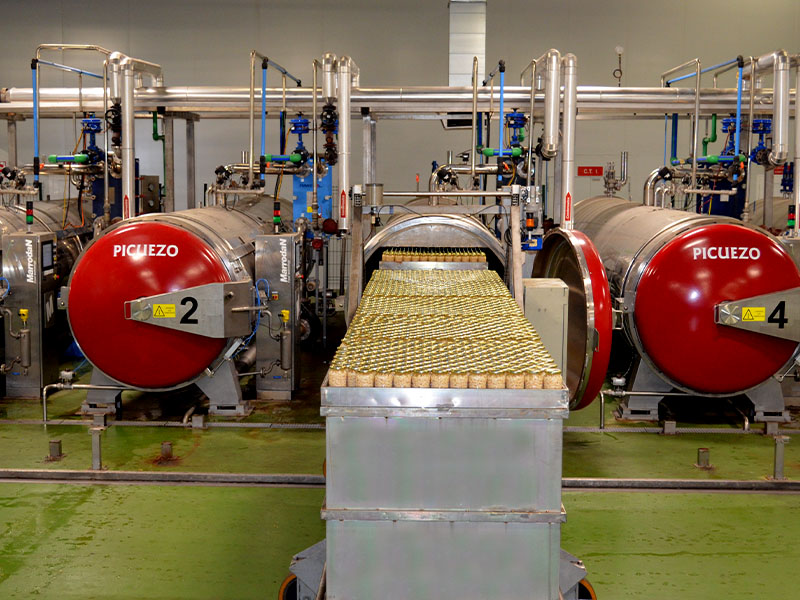
Cooking and sterilising food with autoclaves is essential to ensure the safety, quality and shelf life of products in the food industry. This is especially true in sectors such as tinned vegetables and pre-cooked pulses, where autoclaves are crucial to delivering safe, tasty products with long shelf lives.
Autoclaves date back to the late 19th century, emerging alongside advancements in sterilisation as a means of eliminating harmful microorganisms, improving safety in both medical and food-related processes.
In food processing, autoclaves became instrumental for cooking and sterilising packaged foods, enabling products like pre-cooked pulses, tinned vegetables and other canned goods to be sterilised safely, extending their shelf life and ensuring they are fit for consumption.
Over time, the development of modern autoclaves has brought innovations in temperature control, pressure management, automation and energy efficiency, making them indispensable tools across various industries.
How Autoclaves Work
 An autoclave is a high-pressure device designed to sterilise products through controlled heat and pressure. Unlike other cooking methods, an autoclave allows for both cooking and sterilisation in a sealed, controlled environment, providing a higher level of microbiological safety.
The process is relatively straightforward: food is sealed in containers (such as cans or glass jars) and placed in the autoclave chamber. Inside, temperature and pressure are raised to sterilisation protocol levels (typically between 115°C and 130°C), simultaneously cooking and sterilising the contents.
For a set duration, temperature and pressure remain constant to ensure the destruction of harmful microorganisms and spores. After this, the autoclave gradually reduces temperature and pressure to prevent container deformation and maintain the integrity of the product, which then can be removed and is ready for sale.
The Role of Autoclaves in Food Processing
 Processing food with autoclaves serves several vital purposes: ensuring food safety, preserving desired taste and texture and extending product shelf life. Each sector’s needs must be carefully balanced to maintain the natural character of the food, preserving its organoleptic properties for consumer enjoyment.
Precise control of temperature and timing ensures that food reaches the perfect cooking point without nutrient loss. This controlled cooking process ensures batch consistency, avoiding texture variations and other differences. Thanks to sterilisation, consumers receive safe, contaminant-free products, ideal for direct consumption or as ingredients in various recipes.
Additionally, sterilisation extends shelf life, allowing products to be stored longer without needing artificial preservatives.
One major advantage of autoclaves is that they allow the production of ready-to-eat foods that are healthy options for today’s consumers, like pre-cooked pulses.
Autoclaves and Food Safety
 Food safety is a top priority in the food industry and autoclaves help companies meet stringent safety standards for every product. This process significantly lowers the risk of microbial contamination, which is critical for both domestic and international distribution.
Autoclave sterilisation effectively eliminates heat-resistant microorganisms, even those that could survive in less controlled environments. The combination of pressure and temperature in a closed environment also makes this cooking method more efficient than traditional approaches.
Innovations in Autoclave Technology
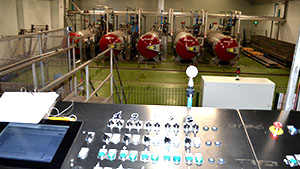 Over the years, autoclaves have evolved significantly with new technological advancements. Some of the latest innovations in the industry include automation, cycle optimisation, energy-saving features and rapid cooling techniques:
- Automation and digital control: Modern autoclave systems allow precise control and monitoring of processing parameters, ensuring each batch is cooked and sterilised to exact specifications.
- Optimised cooking cycles: Tailored cycles for different types of pulses ensure they cook perfectly while keeping their texture and quality intact.
- Energy efficiency: Modern autoclaves are designed with energy-saving features that aim to minimise energy consumption and reduce environmental impact.
- Rapid cooling techniques: Controlled, accelerated cooling not only preserves product quality but also enables greater productivity.
The Role of Autoclaves in Sustainability
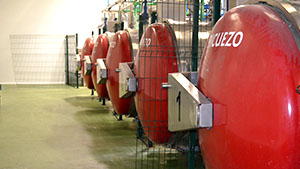 The use of energy-efficient autoclaves helps reduce environmental impact by optimising resources and minimising waste. Furthermore, they reduce the need for preservatives and artificial additives, which is essential for providing natural, healthy products. Autoclaves thus play a significant role in sustainability, contributing to safer, eco-friendly products.