


18 Aug How organic pulses are revolutionising the food supply chain
Sustainability in the food sector is not an option. It is a global necessity. Climate change, pressure on natural resources and growing health concerns have accelerated the transformation of the food industry. In this process, consumers are driving a profound change: they demand products that are not only nutritious, but also environmentally and socially responsible.
In this context, organic pulses have become a major player. Their low environmental impact, their ability to improve agricultural soils and their nutritional profile place them at the heart of a supply chain that seeks to be more sustainable, resilient and efficient.
Organic farming as a necessary model
 Organic farming represents a model that prioritises the health of the land and the conservation of natural resources. As opposed to the intensive methods of conventional agriculture, organic farming relies on regenerative practices that promote biodiversity and reduce the carbon footprint.
Pulses are a particularly beneficial crop within this approach. Their ability to fix nitrogen in the soil not only reduces the need for fertilisers, but also improves soil fertility. In this way, they contribute to the restoration of degraded ecosystems and are key allies in the fight against desertification, a growing problem in Mediterranean regions such as Spain.
The organic market is growing steadily
The data confirms it: organic is no longer a trend but a strategic pillar of the food industry. According to the International Federation of Organic Agriculture Movements (IFOAM), the global market for organic products has maintained sustained growth over the last two decades, reaching record figures in Europe and North America.
In the case of Spain, the Ministry of Agriculture, Fisheries and Food revealed that in 2023 sales of organic products reached an all-time high, with an increase of more than 20% over the last decade. Furthermore, Spain has positioned itself as one of the European countries with the largest surface area dedicated to organic farming, which demonstrates the consolidation of this production model.
This growth is due to two main factors:
– A greater concern for health and nutrition, which leads consumers to seek food free of pesticides and with a more transparent origin.
– A growing environmental concern, which is pushing consumers to choose products with a smaller ecological footprint.
Organic pulses not only stand out for their positive impact on the environment, but also for the multiple benefits that can be derived from their nutritional information.
– They are an excellent source of vegetable protein, making them a sustainable alternative to animal protein.
– They provide dietary fibre, which is essential for digestive health.
– They contain essential vitamins and minerals such as iron, zinc and magnesium.
– Their low glycaemic index makes them recommended for balanced and healthy diets.
These attributes have placed them at the centre of trends such as flexitarianism and plant-based eating, a growing trend among consumers seeking to reduce their meat consumption without giving up a nutrient-rich diet.
Challenges and opportunities in the food supply chain
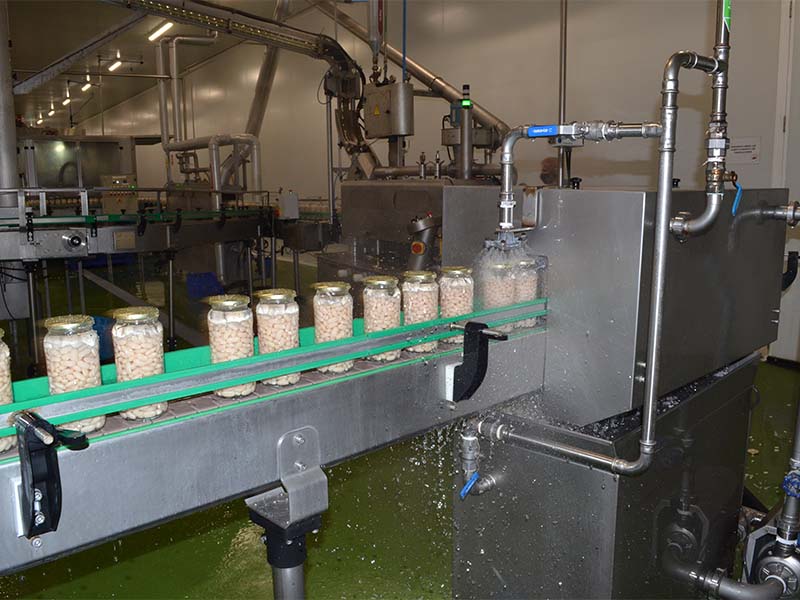 The growing demand for organic products is an opportunity, but it also poses challenges for the entire supply chain. Shifting from conventional to organic production involves:
– Ensuring a consistent supply that meets international quality standards.
– Developing efficient processing and distribution infrastructures.
– Maintaining full traceability, ensuring transparency from the field to the final consumer.
– Investing in innovation to optimise processes and reduce costs.
In this context, the role of companies such as Autor Foods is essential. The mission is not only to bring high quality organic pulses to the market, but also to build a strong, transparent and sustainable supply chain that meets the demands of distributors, retailers and consumers.
A strategic opportunity for food retail
For retail professionals, a commitment to organic pulses is a way to respond to current demand and a competitive advantage in an increasingly saturated market. Whether as a finished product or as a raw material in the food industry.
Offering organic products with added value – in taste, health and sustainability – allows retailers to differentiate themselves and build consumer confidence. It also helps to reinforce the industry’s commitment to the UN Sustainable Development Goals (SDGs), in particular SDG 12: Responsible production and consumption.
All indications are that the demand for organic pulses will continue to grow in the coming years. Factors such as the climate crisis, the need for more sustainable diets and legislative pressure to reduce carbon emissions will accelerate this transition.
In this context, organic pulses will become the basis of the food of the future because they are a key element in the construction of sustainable food. Food that offers consumers products that meet the highest quality standards and that, at the same time, contribute to caring for the planet.
 At Autor Foods we work every day to bring organic pulses to the market that are good for people and respectful of the planet. Because we believe that the future of food must be built on sustainability, innovation and commitment to health.